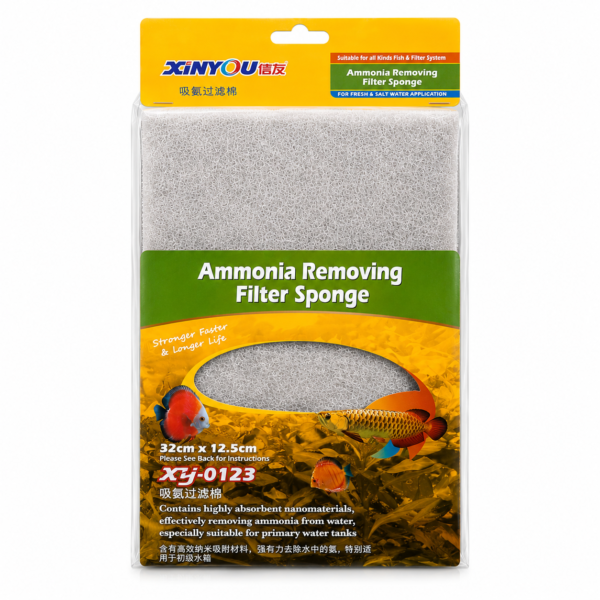


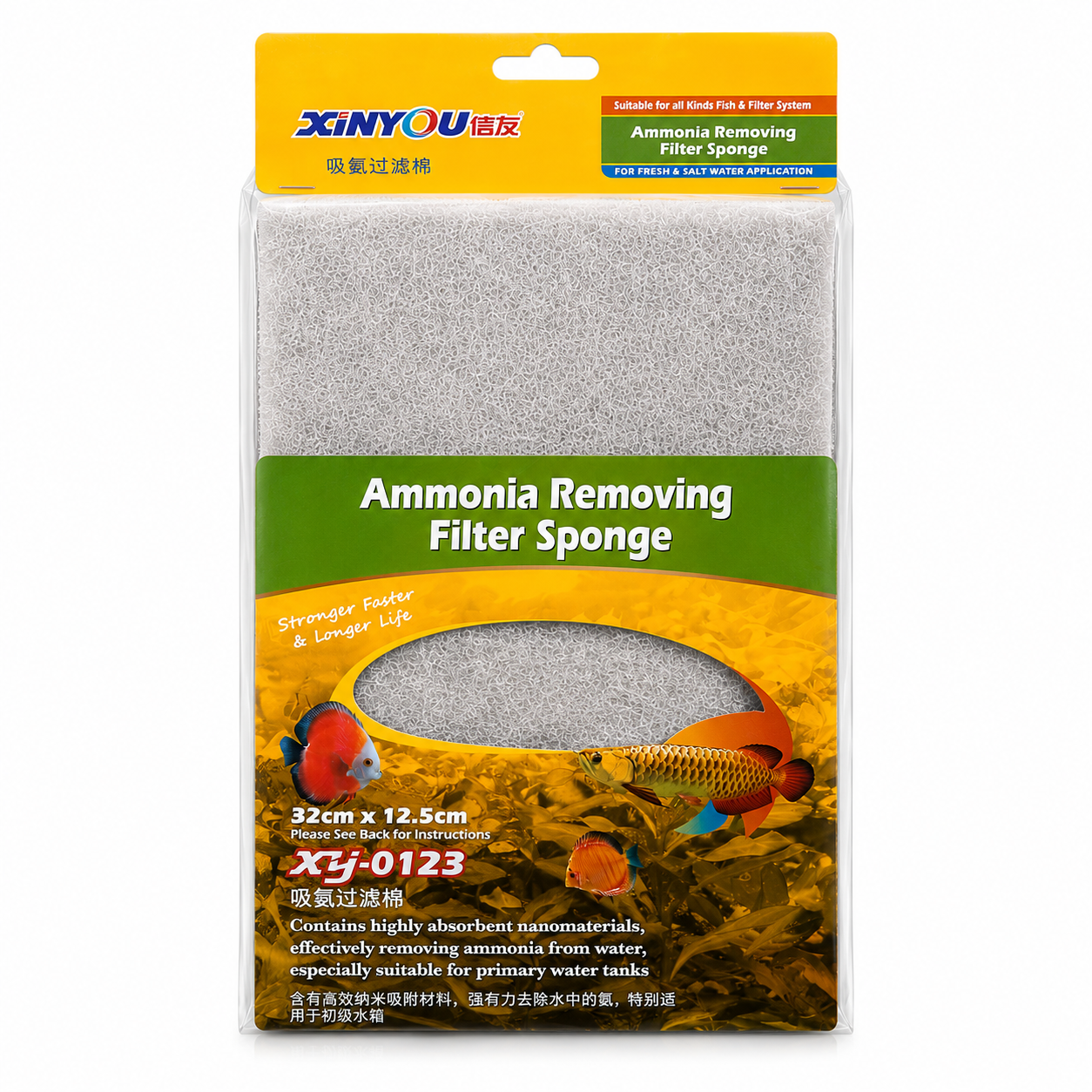
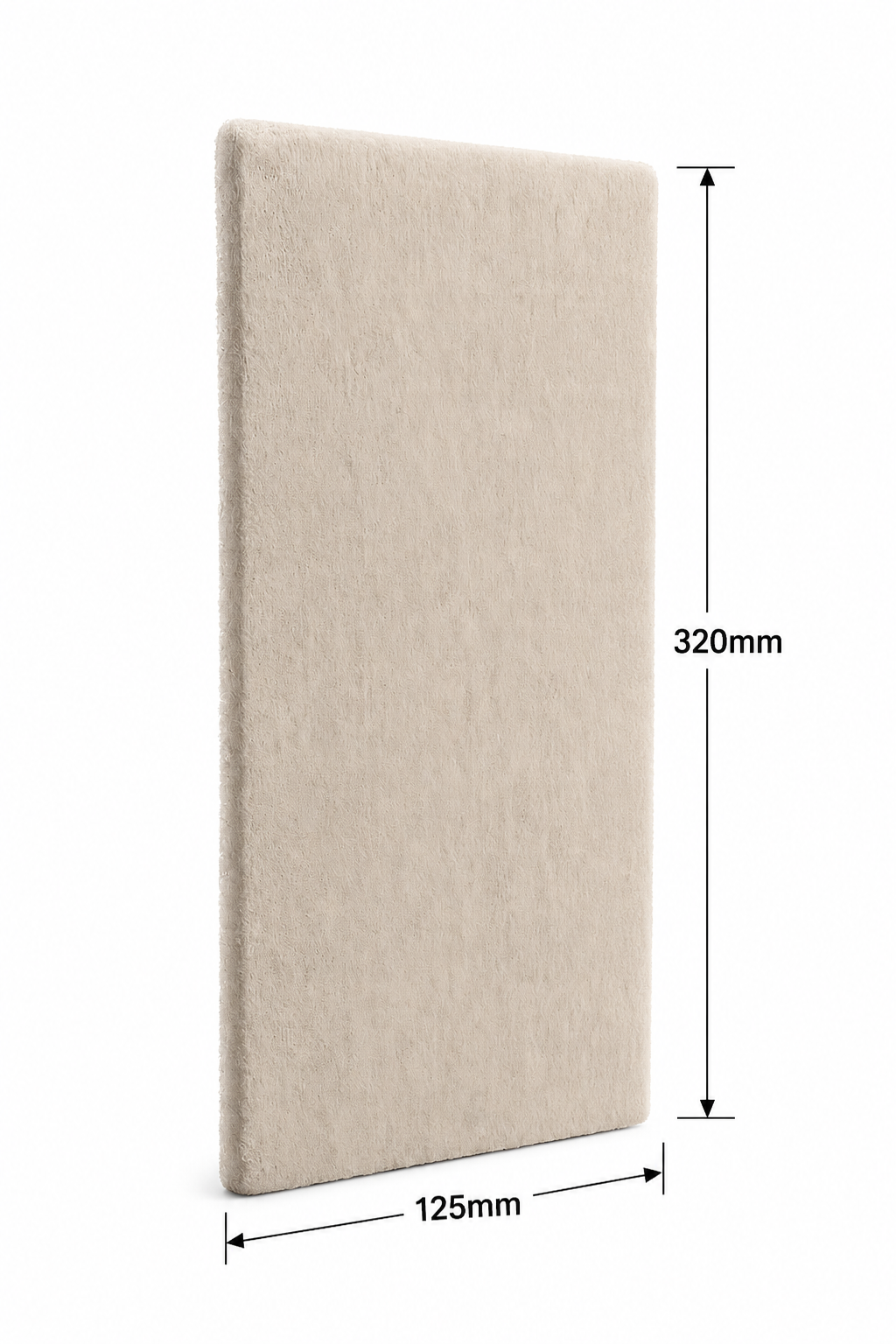

The Ammonia Removal Filter Sponge is a high-performance aquarium filter media designed to reduce harmful ammonia levels while providing effective mechanical and chemical filtration. Made with a polyurethane sponge coated with activated carbon and natural zeolite, it helps create a healthier aquatic environment by trapping debris, removing impurities, and absorbing dissolved ammonia from aquarium water.
As water passes through the sponge, it captures suspended waste, uneaten food, and organic debris while the activated carbon removes odors, discoloration, and dissolved organic compounds. The natural zeolite actively absorbs ammonia, helping reduce ammonia toxicity that can occur due to new aquarium setups, introducing new fish, overfeeding, overcrowding, or excess organic waste. This dual-action filtration improves water clarity and supports healthier conditions for fish, shrimp, and other aquatic life.
The Ammonia Removal Filter Sponge is easy to cut and customize, making it suitable for internal filters, canister filters, hang-on-back filters, sump filters, and DIY filtration systems. It is ideal for both freshwater and marine aquariums, helping maintain stable water quality and reducing harmful toxins. For best performance, replace the sponge regularly once its ammonia-absorbing capacity is exhausted to ensure continuous filtration and effective ammonia control.
FAQ
1. What does the Ammonia Removal Filter Sponge do?
It removes harmful ammonia while trapping debris to improve aquarium water quality.
2. When should I use this sponge?
It is ideal for new aquariums, after adding new fish, during overfeeding, or in heavily stocked tanks.
3. Can it be cut to fit my filter?
Yes, it can be easily trimmed to fit most aquarium filter systems.
4.How does the Ammonia Removal Filter Sponge work?
It uses a polyurethane sponge coated with activated carbon and natural zeolite to trap impurities while absorbing harmful ammonia from aquarium water.
5.How often should I replace the Ammonia Removal Filter Sponge?
Replace the sponge every 4–6 weeks, or sooner if water flow decreases or its ammonia-removing effectiveness is reduced.